Lights

Like most projects I do, I’m starting from probably the most bizarre angle; taillights. I probably have various ways to justify this, but honestly I like lights. Furthermore I like sequential turn signals. I’ve always wanted a vehicle with a set. When I was younger I used to add turn signals to my bikes and wagon. I often had sequential signals on them. Years ago I was going to make a teardrop trailer and that too was going to have sequential signals. None of that ever panned out, so here we are again with a new project….and sequential turn signals!

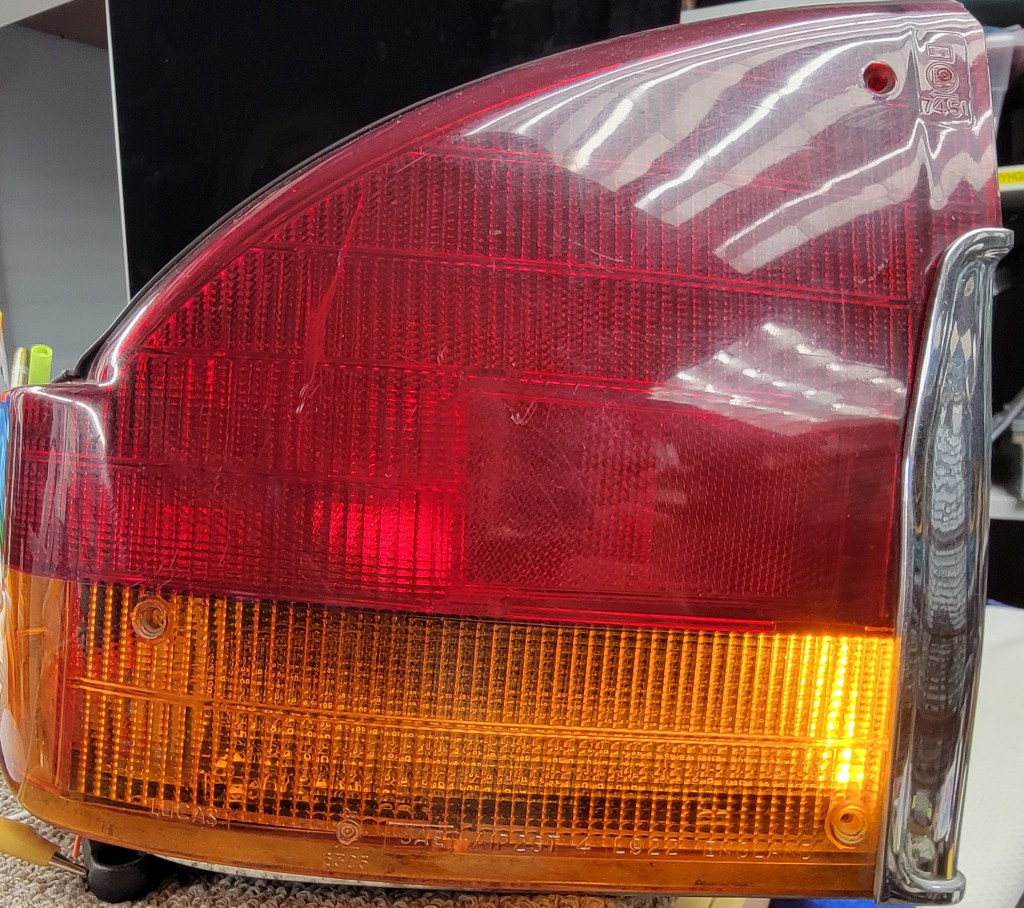
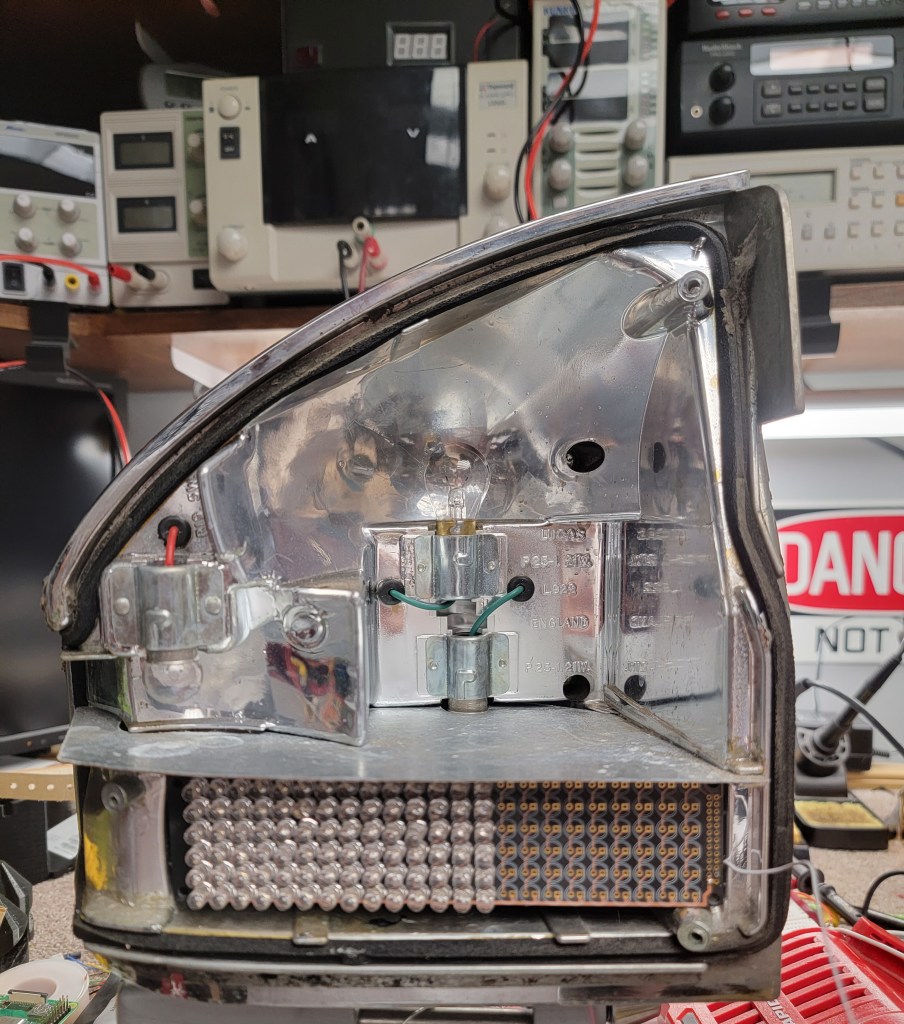
This is a spare taillight housing I got off eBay. I gutted it and designed a board in KiCad to hold the LEDs. In later posts I’ll have videos of it operating, but since I’m playing catch up on this blog, I’m trying to do things in somewhat of the order in which they occurred. In this case, the beginning of sequential tail light design.

Let’s catch up

Since I’m starting this blog after the project of the car has started, let’s catch up what I’m doing, where I’m at and what’s left.

Currently the plan on the vehicle is to fit it with NetGain Hyper9HV motor at 144v. This will be coupled to a TorqueTrends 1.9:1 transmission (single speed, think of it like an underdrive) and I’ll need to change the rear differential to a 4.11:1 ratio. This gives me close to an 8:1 from motor to rear, which I’m told is the golden ratio for the motor I’ve chosen.

Power brakes will be handled by a Bosch iBooster gen 2 and power steering will be an electric assist from a Toyota. I have the iBooster on hand, have not purchased the assist motor yet as I’m concerned about room under the dash/hood for this. I might have to go electric-hydraulic. I don’t want to, because I want the vehicle nearly silent when not moving. More on that later.

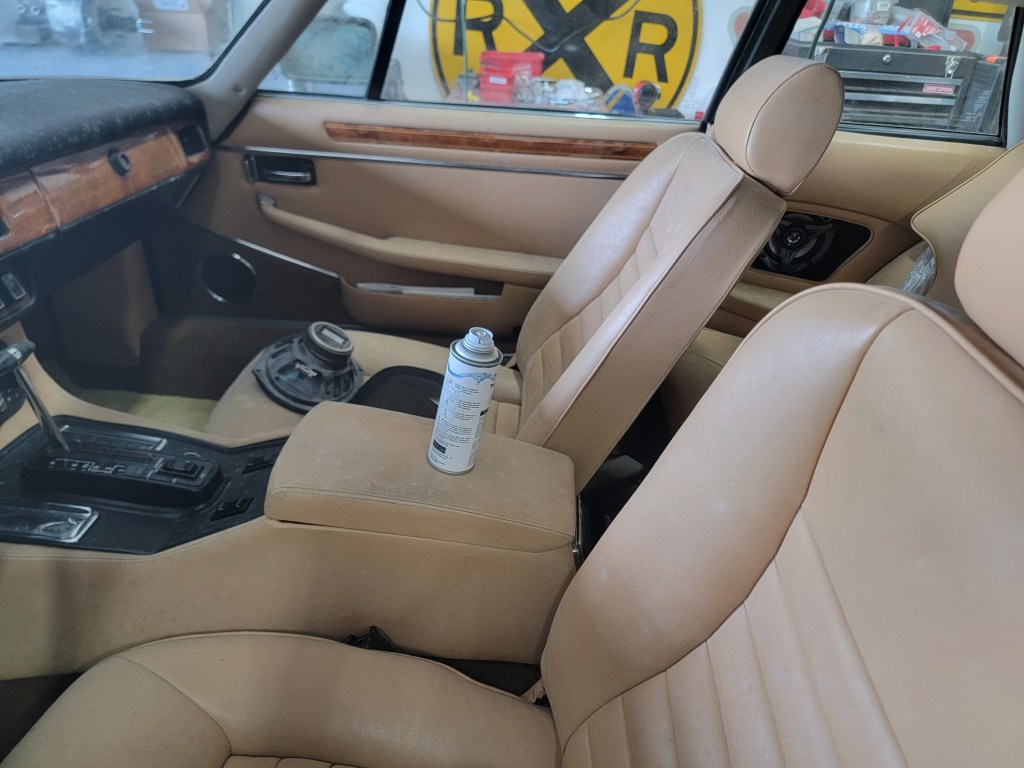
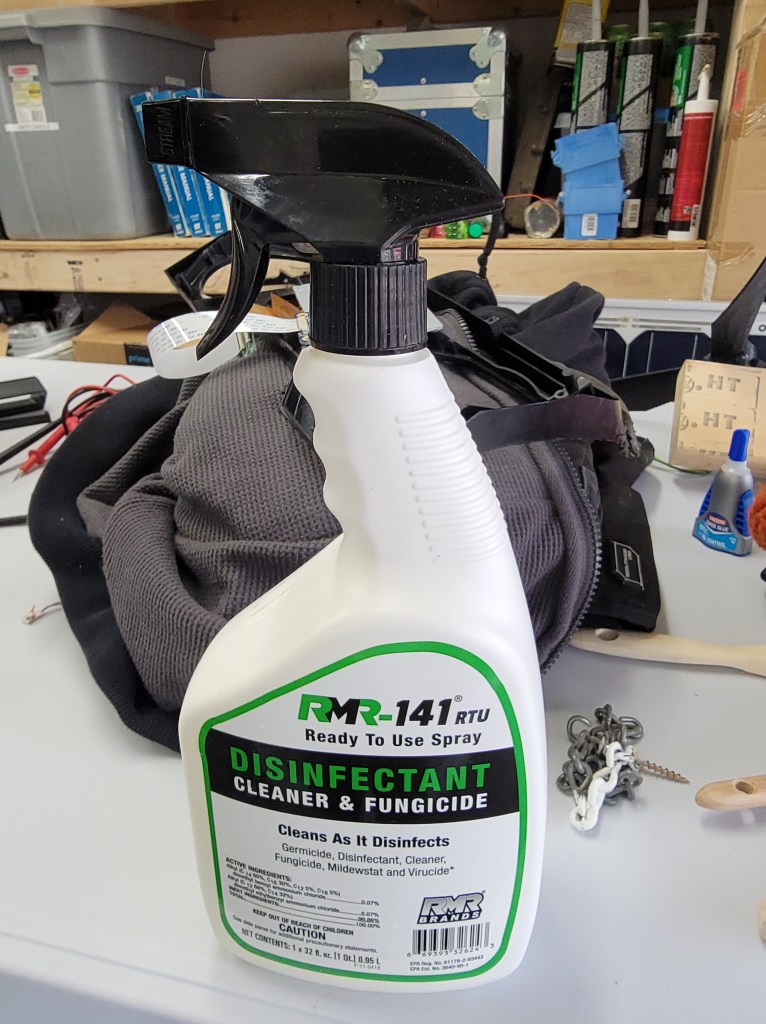
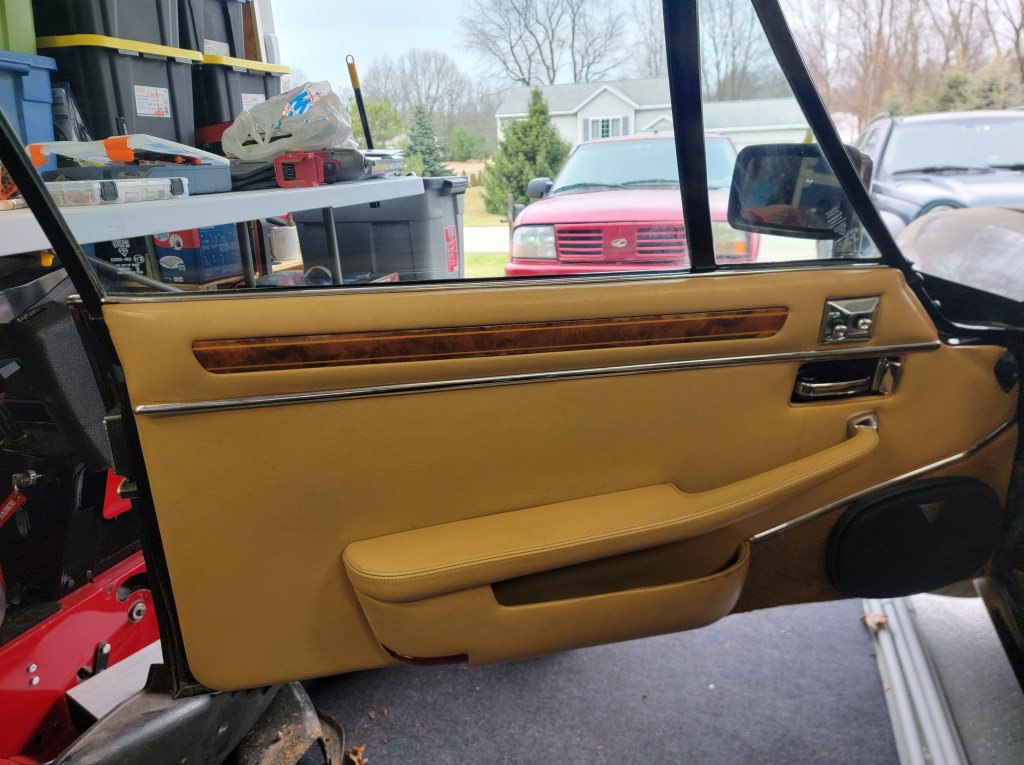
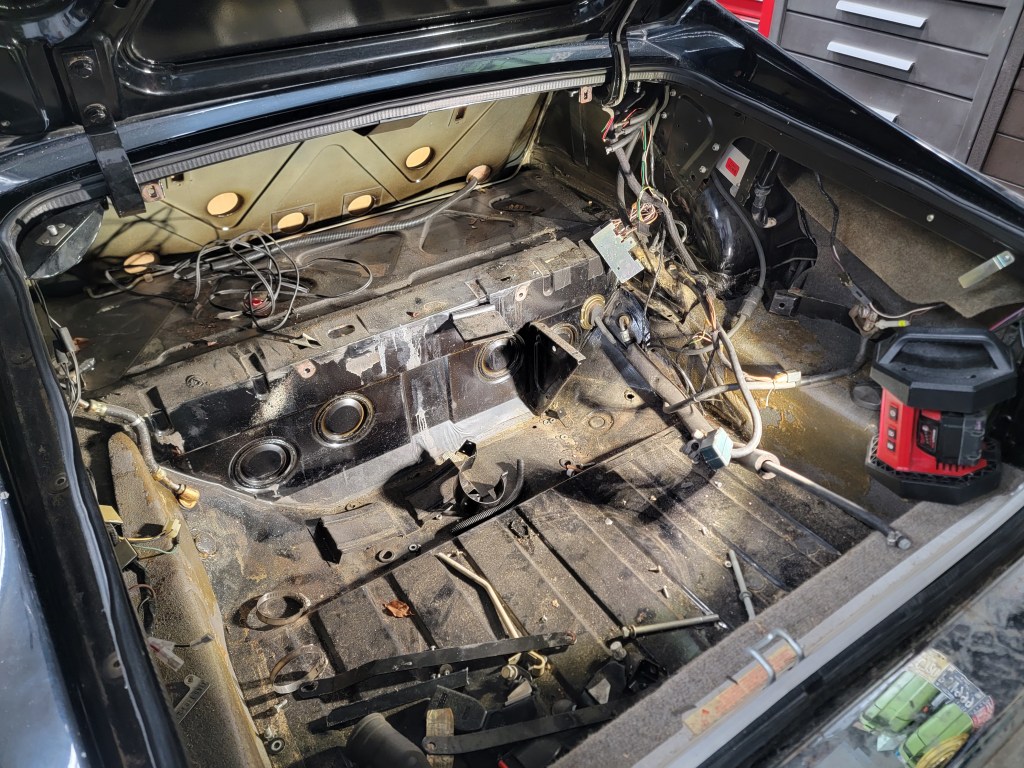
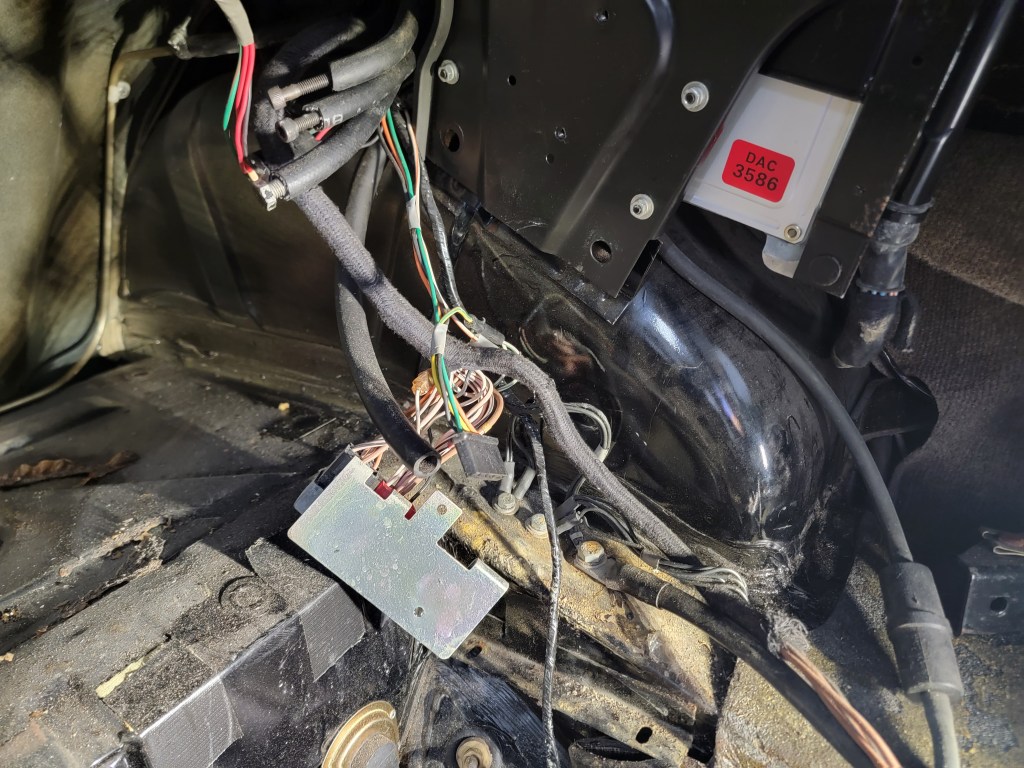
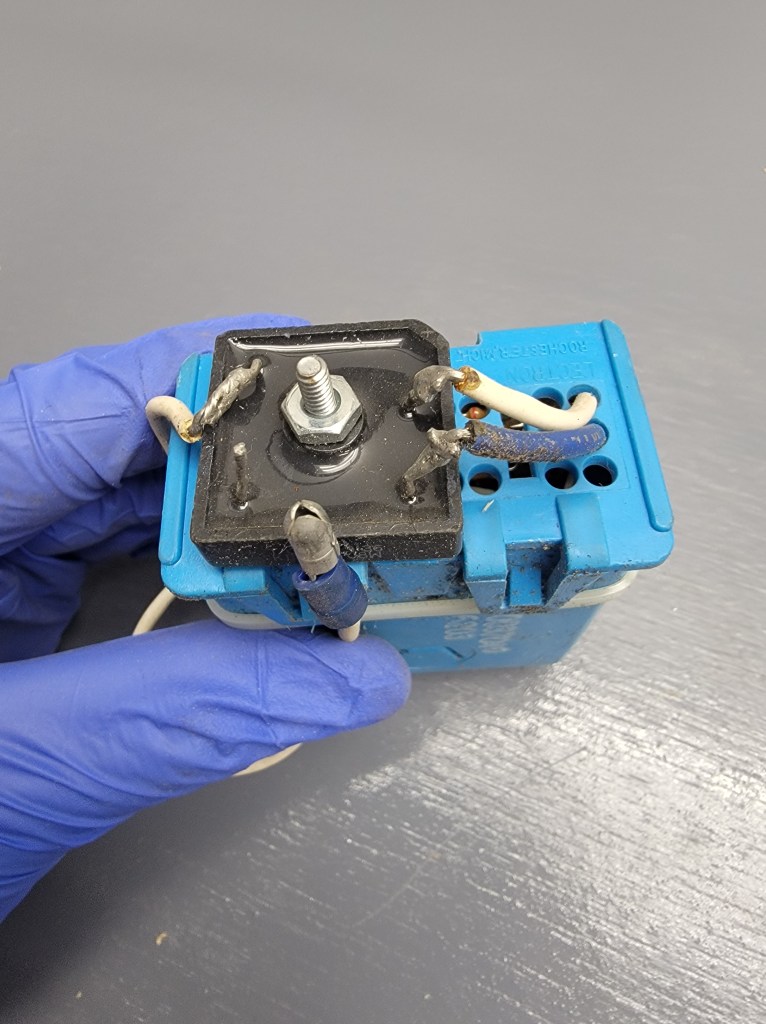
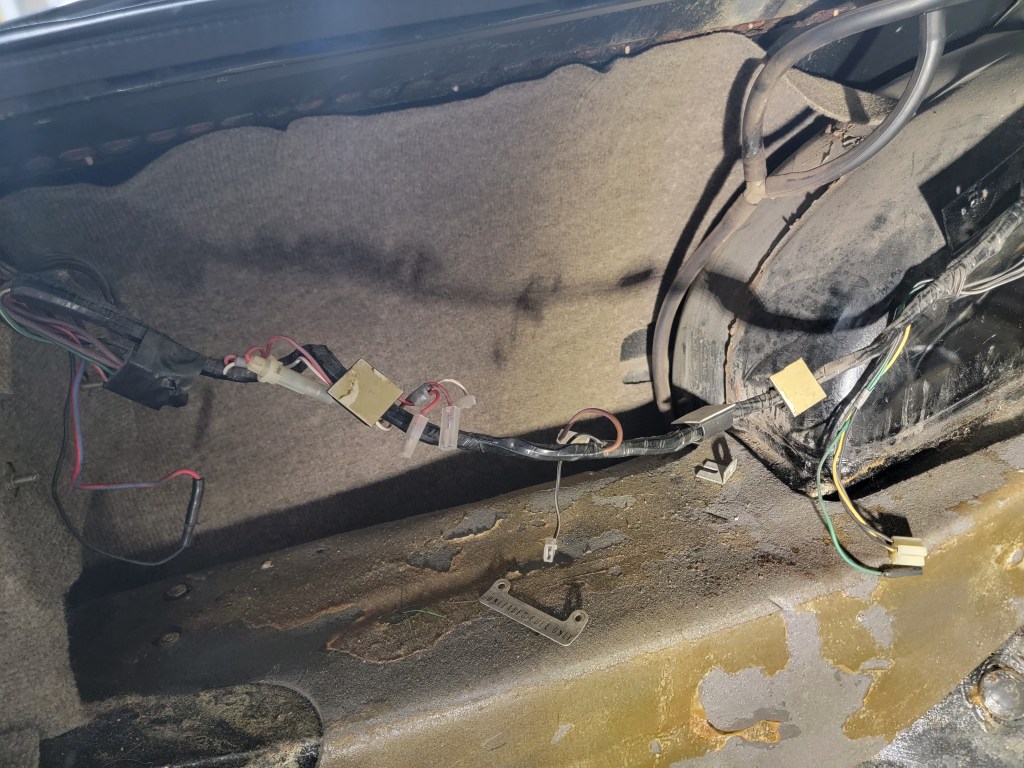
Thankfully no mice ever entered the cabin of the vehicle, however the interior did get mildew inside. I suspect when I last parked it, it was humid and that was trapped in the car. Regardless this turned the project from a ‘replatform the drivetrain’ into a full on restoration minus body work…and after I dug into the interior, I was super glad I decided to rip everything out. It turns out any spot a relay or a fuse or a wire connector should be shoved in this car, that is exactly what they did.

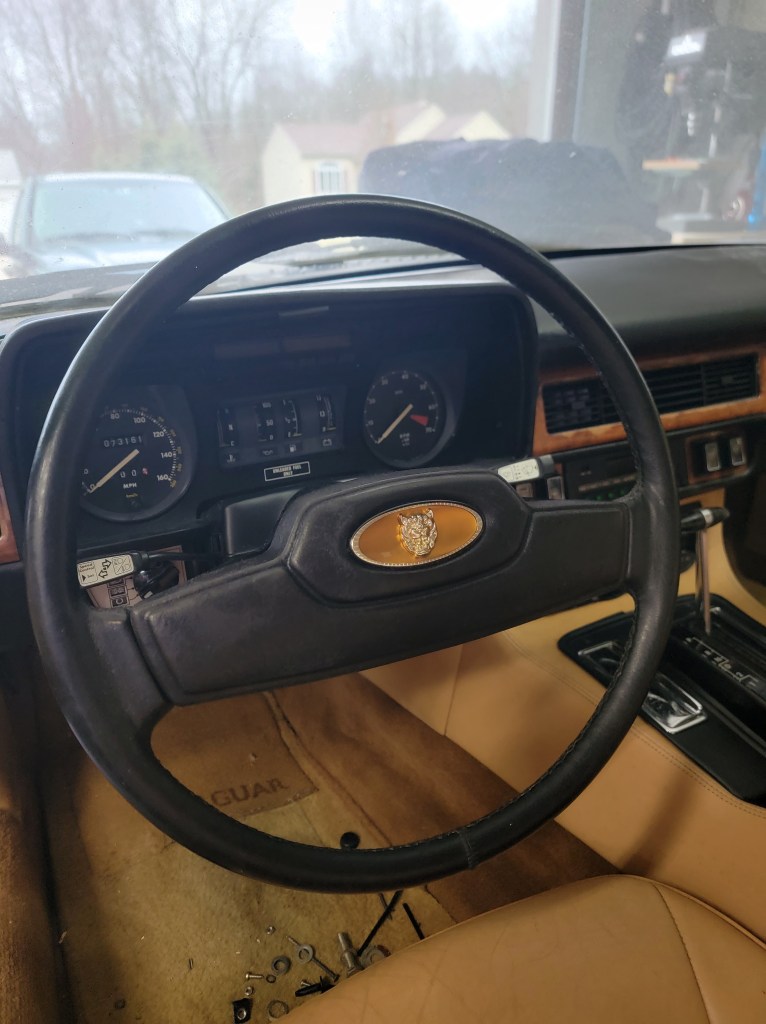
At any rate, enjoy these photos as I tear into the vehicle!

It begins!

I’m a little late in creating this blog, I get that. Honestly, I hesitated because I’m altering a car in a way that a purist of the brand would disapprove of. However as I talk about this project to others in passing it seems counterintuitive to share the same pictures and stories over and over; I may as well have a location dedicated to that.

So here it is.

This is the journey of taking a 1986 Jaguar XJS and transforming it from a V12 gas thirsty mechanical beast to an electric cruiser.

“But Kris, that’s a V12, you can’t do that to a classic” Yeah. I can. Here’s the thing…this car hasn’t driven in over 15 years. I parked it once I discovered fuel was leaking out of the gas tank that was mounted IN THE TRUNK. And although it has been garaged this whole time, I’ve had issues with mice getting into the engine bay and doing mice things.

So, here’s an opportunity to take a vehicle that hasn’t seen the roads in a lifetime and make a nice Sunday cruiser out of it that doesn’t leak all the fluids.

I have comments disabled as I don’t want to deal with WordPress spam. Feel free to email me at kris (at) hainkm (dot) com.

Enjoy the journey.